

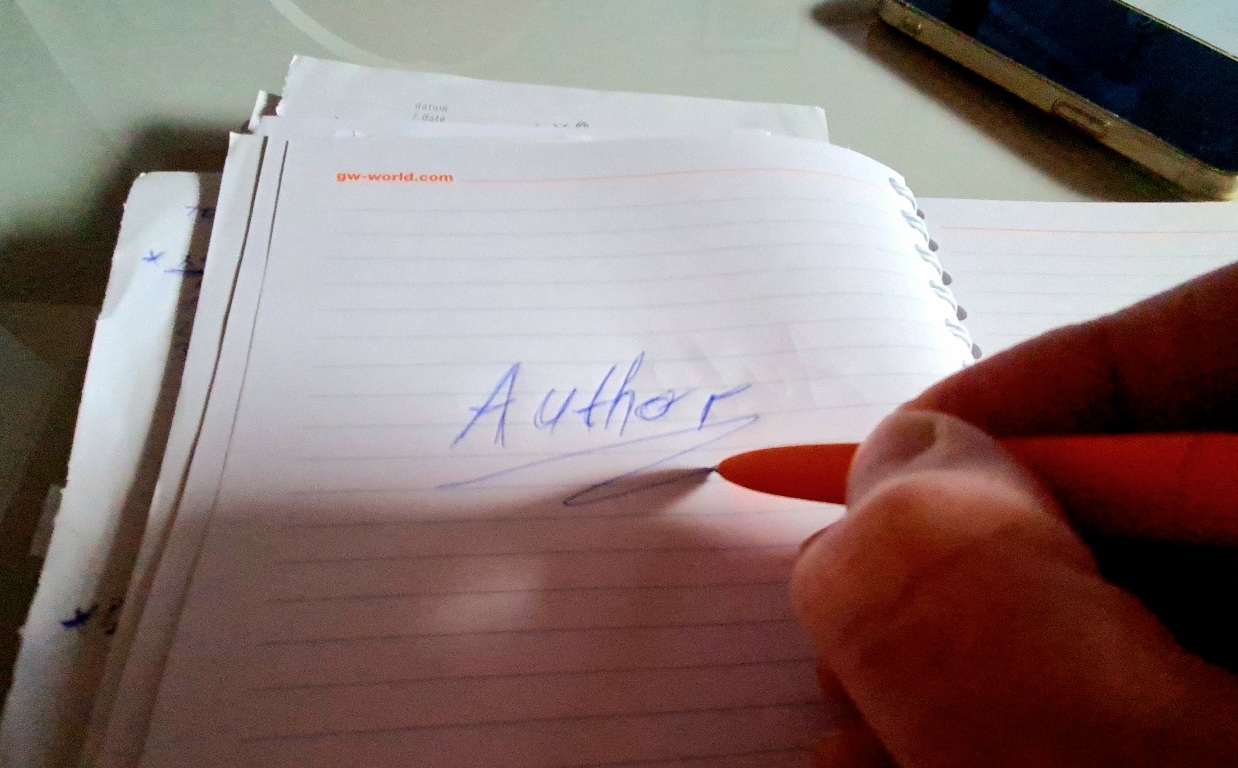
When Search Engines Want to Be Authors
Search engines have outgrown their role today. Especially Google. It has grown from a simple search engine into something completely different. Most of the major ones have decided to become authors without creating anything. AI technology borrows your content, breaks it down, mixes it up, and presents it as its own answers. The author’s article becomes the raw material, and their SERP becomes the final product. And that’s when the search engine stops being an intermediary and starts playing the role of creator.
The result is grotesque: traffic from search engines is falling, while page views are exploding. Not because people are reading your content en masse, but because robots, scrapers, and AI systems are reading it. The search engine picks up the essence and serves the user a summary that leaves them with no reason to even click on the source. And why would they?
The irony is that content that reveals these mechanisms disappears from the results faster than you can refresh the page. Meanwhile, sterile, safe, generic fairy tales get the front page because they threaten no one and nothing. The system rewards obedience, not truth.
The search engine no longer wants to be a search engine.
The search engine wants to be the “author”!
But without real authors, the search engine will not survive, it will have no work to do.
And this is a problem that creators and publishers can no longer ignore.
Frequently Asked Questions (FAQ)
What is SERP?
SERP, Zero-Click Searches, is a serious threat to copyright.
How many ads can I have on my blog? Will Google penalize me for pop-up ads?
The answer lies in Google’s rules for publishers — which Google itself does not follow.