

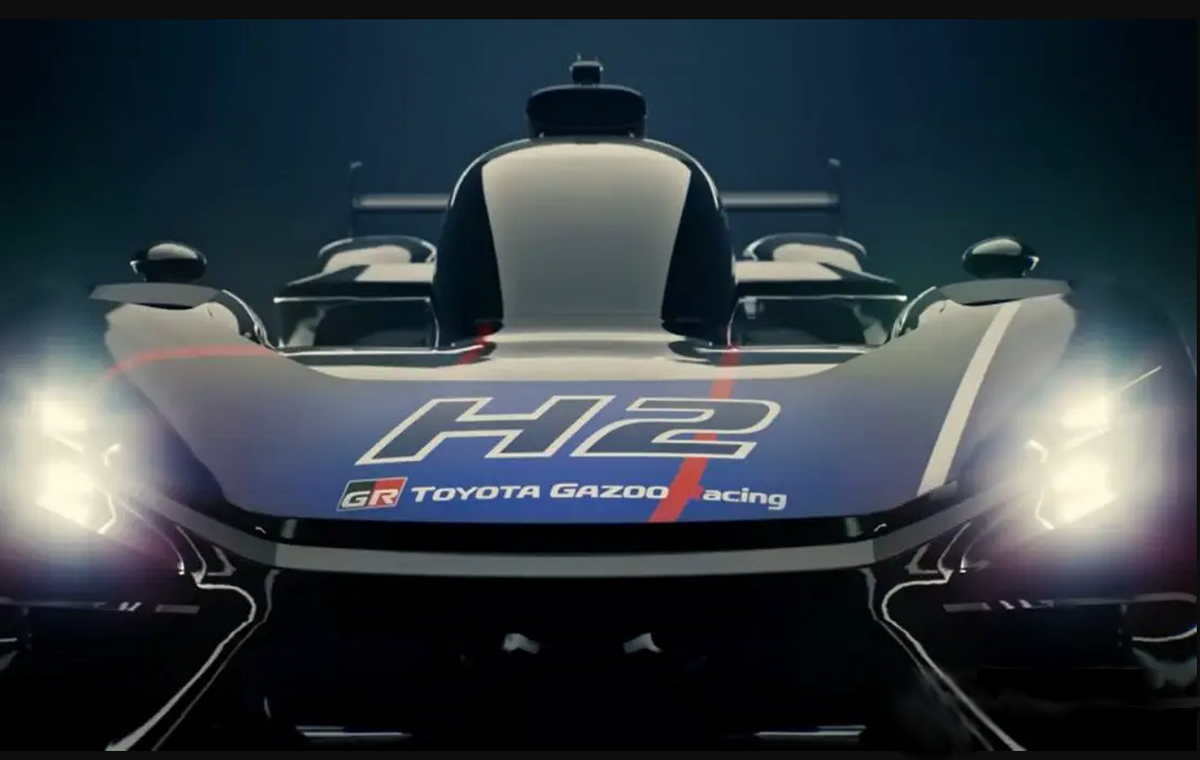
How Does Toyota’s Hydrogen Engine Work
Toyota has unveiled a groundbreaking hydrogen engine that doesn’t rely on batteries or electric charging. Instead, it uses hydrogen as a combustible fuel — similar to gasoline — but with zero CO₂ emissions.
How Does Toyota’s Revolutionary Hydrogen Engine Work
Key Features
Hydrogen is injected into the engine cylinders, where it combusts and powers the vehicle no lithium batteries or charging stations required. Only water vapor is emitted, making it environmentally clean. Mechanically similar to traditional internal combustion engines, simplifying production and maintenance.
Technology Behind It
Hydrogen H2 is extracted from water via electrolysis. The engine uses advanced ignition and cooling systems to handle high combustion temperatures. Toyota is developing onboard hydrogen generation, reducing infrastructure dependency.
Why It Matters
Zero emissions: no CO₂, only water vapor. Fast refueling: hydrogen tanks fill in minutes. Battery-free: no rare earth metals needed. Authentic driving feel as engine sound and responsiveness preserved.
Toyota’s hydrogen engine could redefine clean mobility — offering sustainability without sacrificing performance or practicality.
Frequently asked questions (FAQ)
Where are hydrogen pumps located in Slovenia?
There are currently no public hydrogen pumps in Slovenia.
Is Toyota a reliable car?
According to the latest survey, Toyota is the fourth most reliable car brand in the world. Lexus, which is also owned by Toyota, ranks first.
Where can I refuel with H2 hydrogen, where are the pumps in Europe?
LIVE list – map of H2 pumps in Europe

